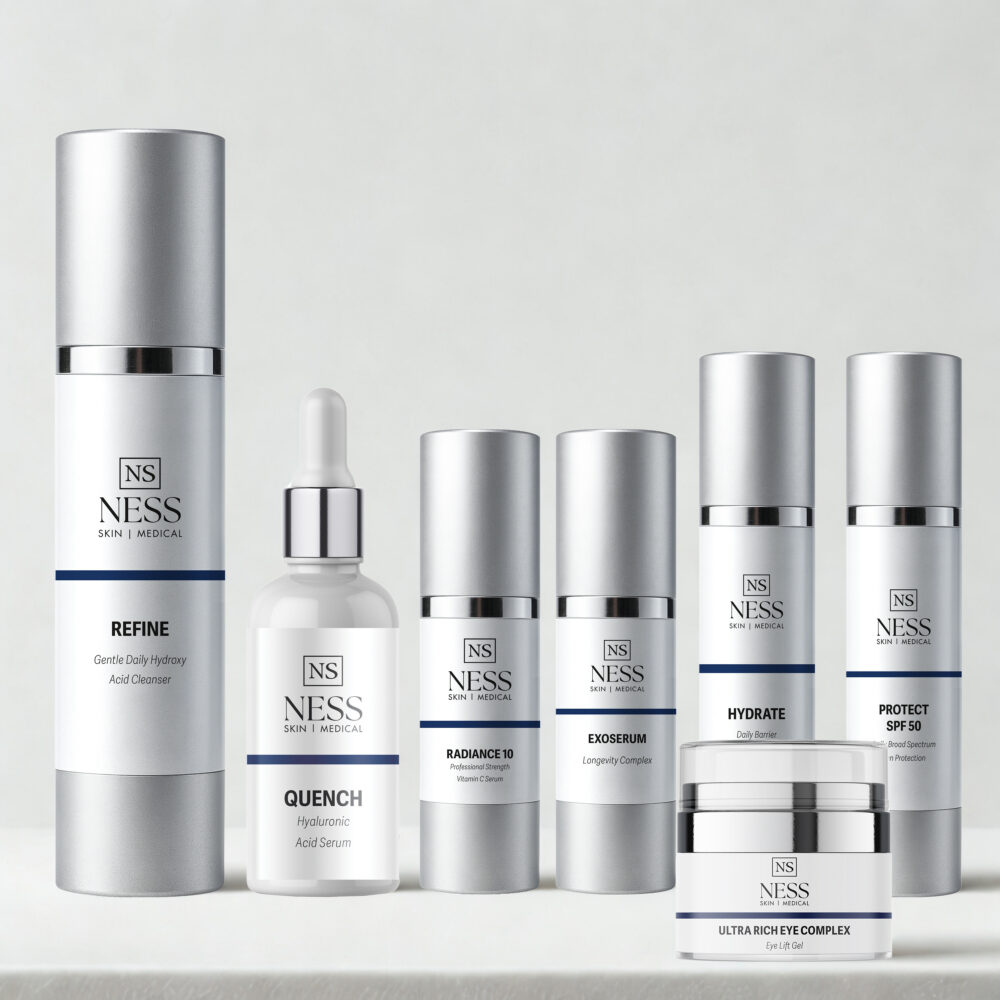

Investing in a consistent skincare routine is one of the most effective ways to ensure your skin remains healthy and vibrant for the long haul. More than just a cosmetic effort, it’s a daily practice of self-care and an investment in your overall well-being. By dedicating a few minutes each day to your skin, you are actively working to prevent future issues and maintain its natural vitality.
The benefits of a good routine go far beyond a clear complexion. Consistently caring for your skin helps prevent common conditions like acne, reduces the chances of premature wrinkles, and minimizes discoloration. Think of it as preventative maintenance. Just as a healthy diet supports your body, a proper skincare regimen supports your skin’s barrier, protecting it from environmental stressors. This daily ritual can also be a powerful form of self-care, providing a quiet moment to focus on yourself, which can significantly boost your mood and self-confidence. When your skin looks and feels good, it’s natural to feel more comfortable and assured.
Getting started with a routine that works for you is straightforward. The foundation rests on three essential steps:
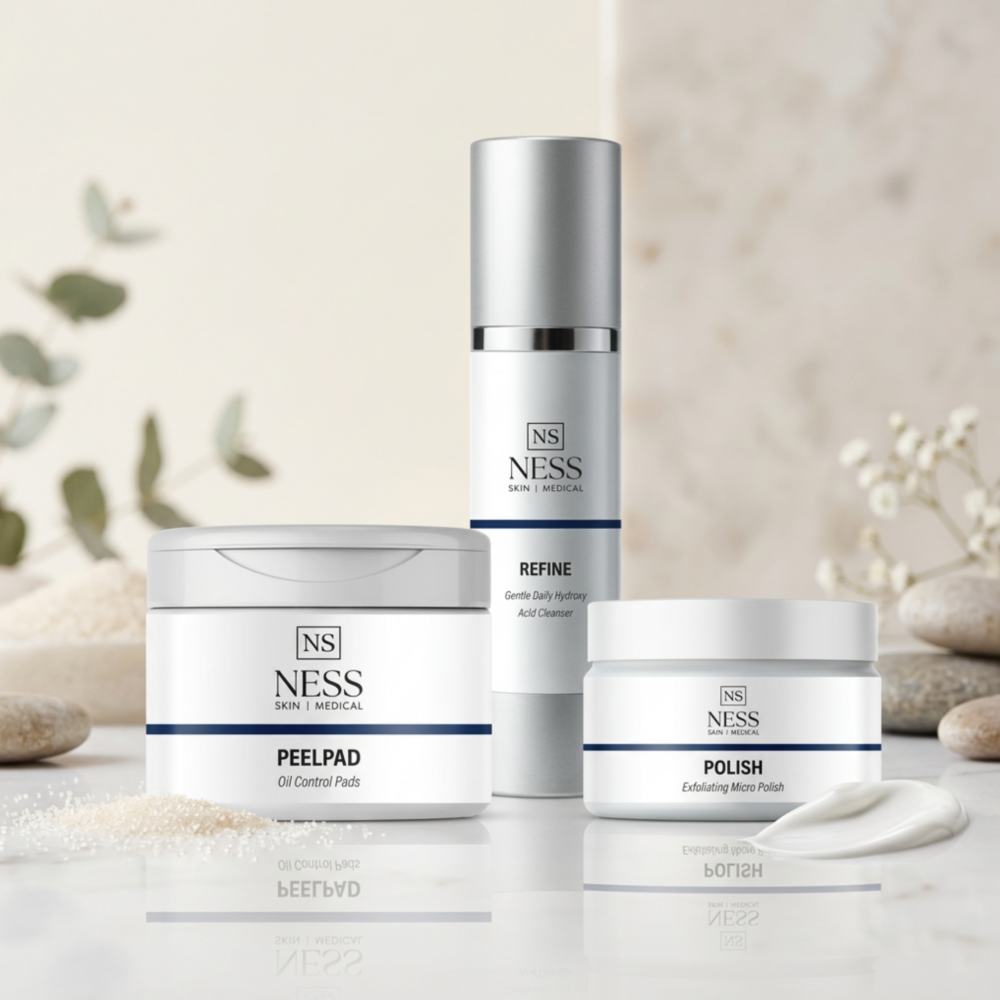
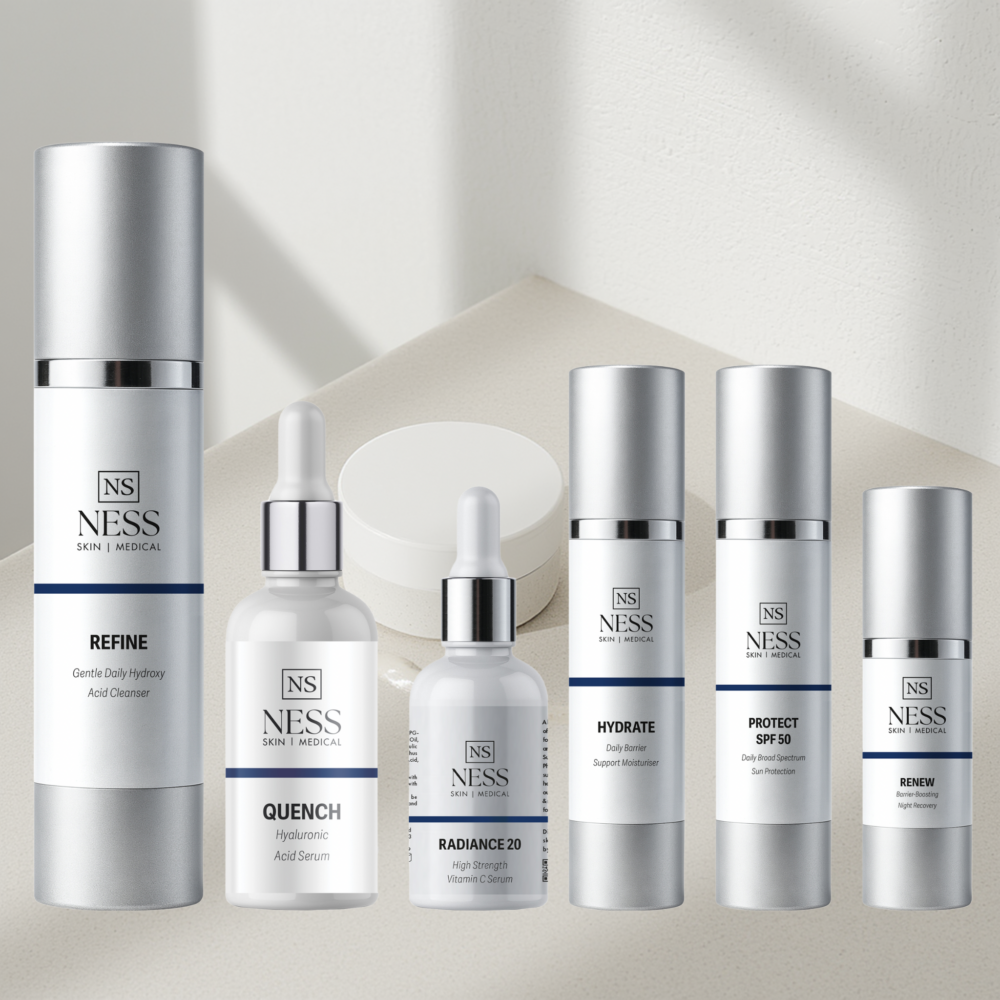
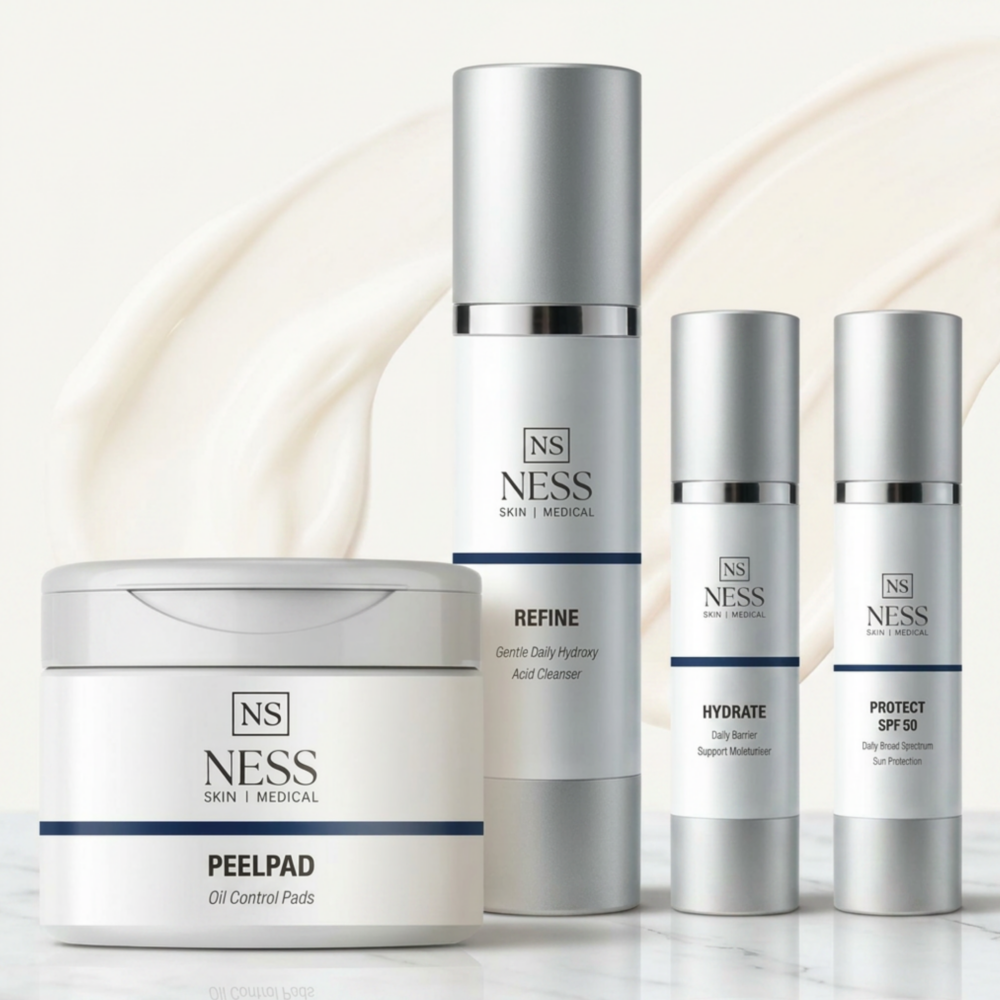
- Cleanse: Wash your face twice a day—once in the morning and once at night—to remove dirt, oil, and impurities that accumulate. This creates a clean canvas for other products.
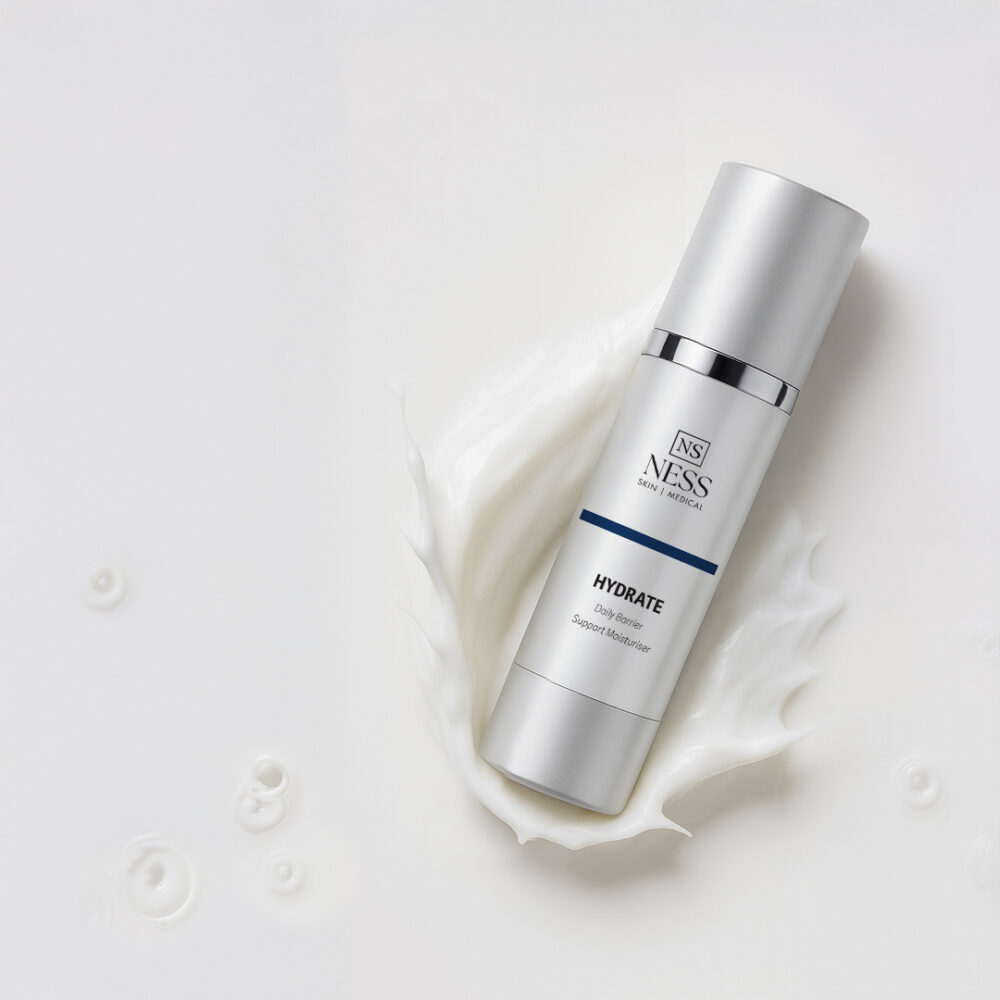
- Moisturize: After cleansing, apply a moisturizer to hydrate your skin and strengthen its protective barrier. This keeps it soft, supple, and resilient.
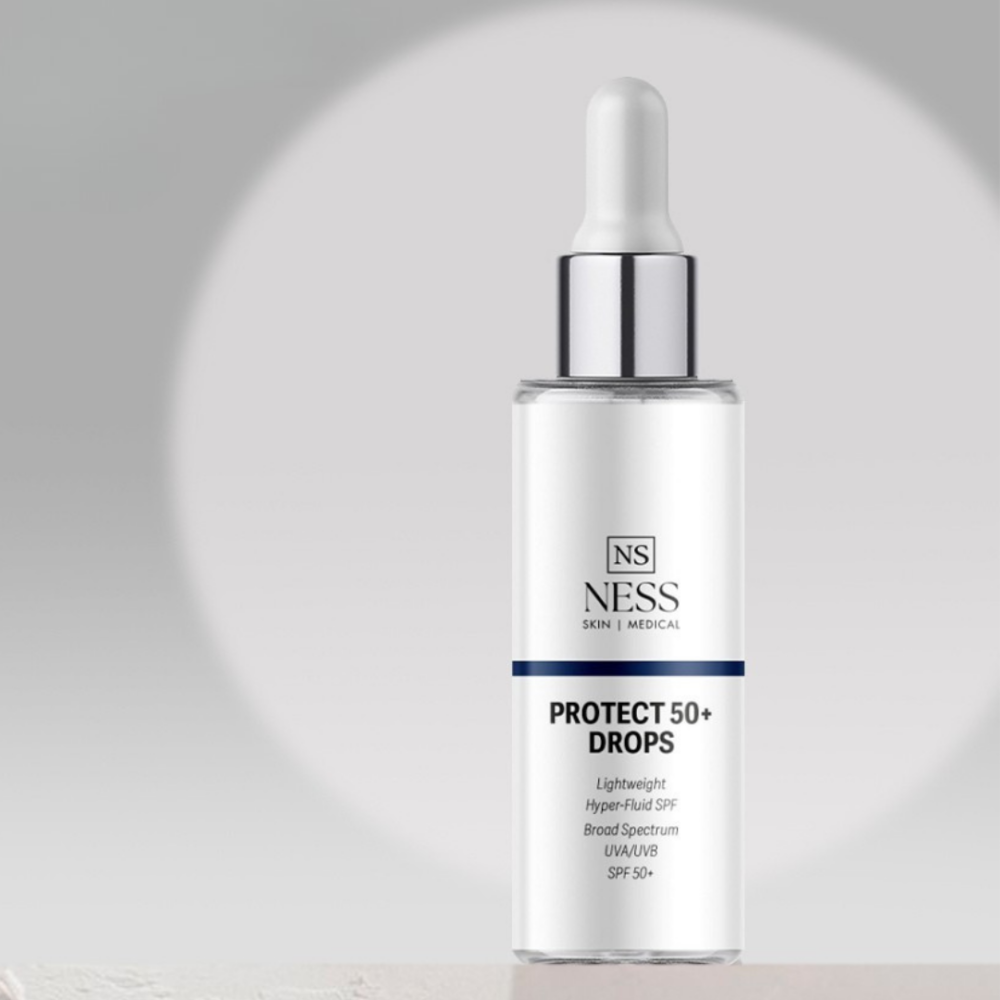
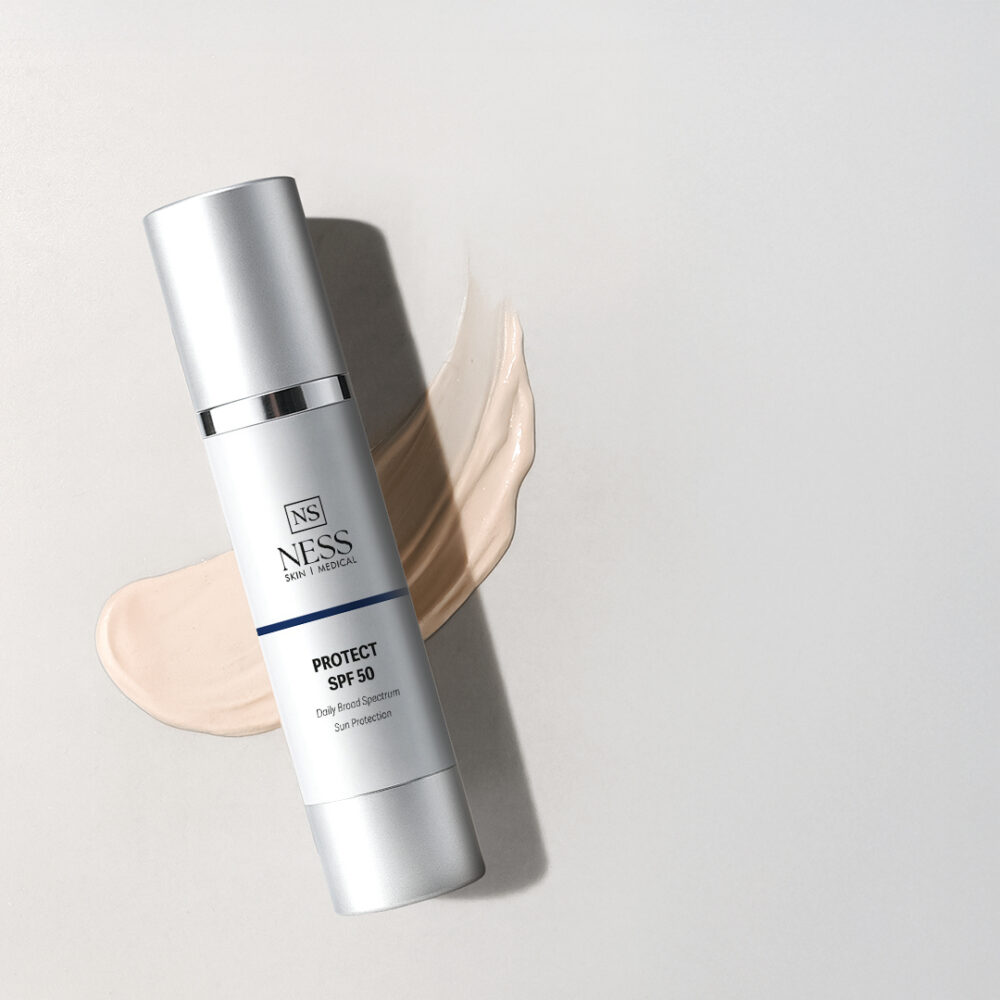
- Protect: Every single morning, without fail, apply a broad-spectrum sunscreen. This is the most crucial step for preventing sun damage and premature aging caused by UV rays.
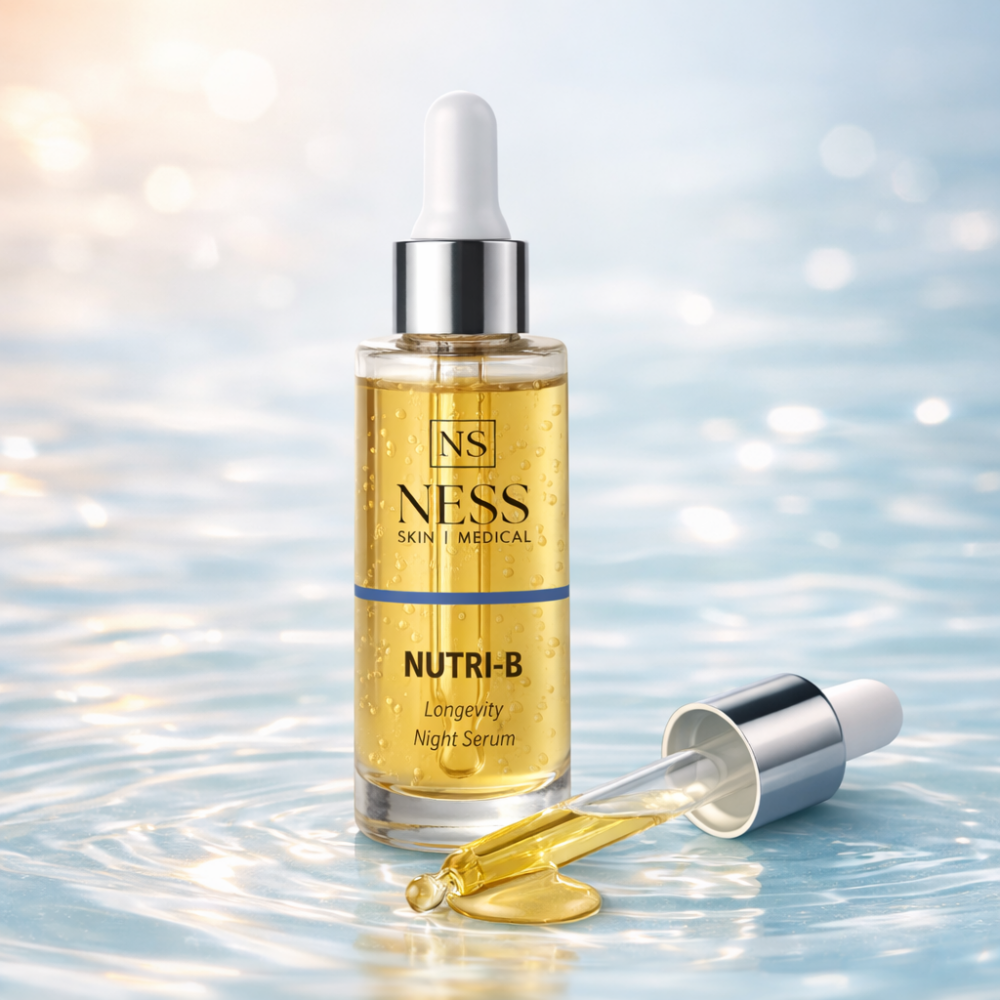
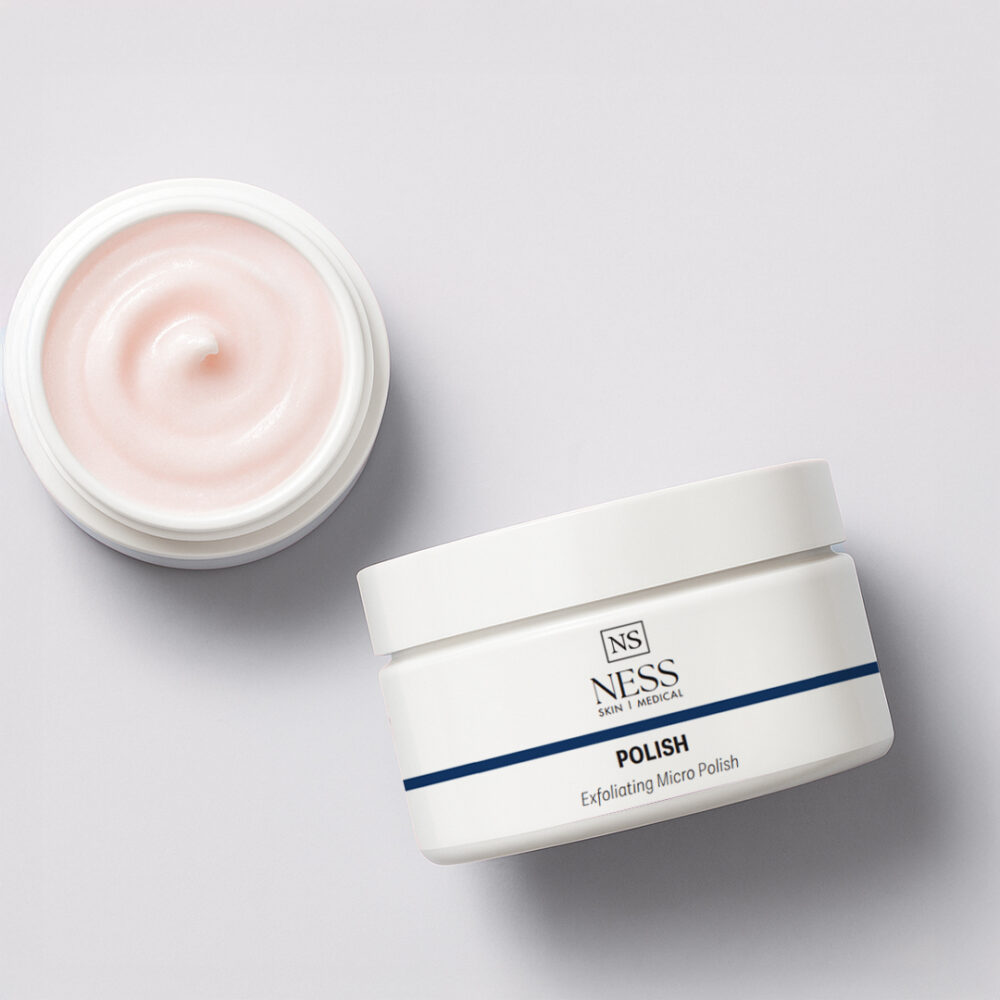
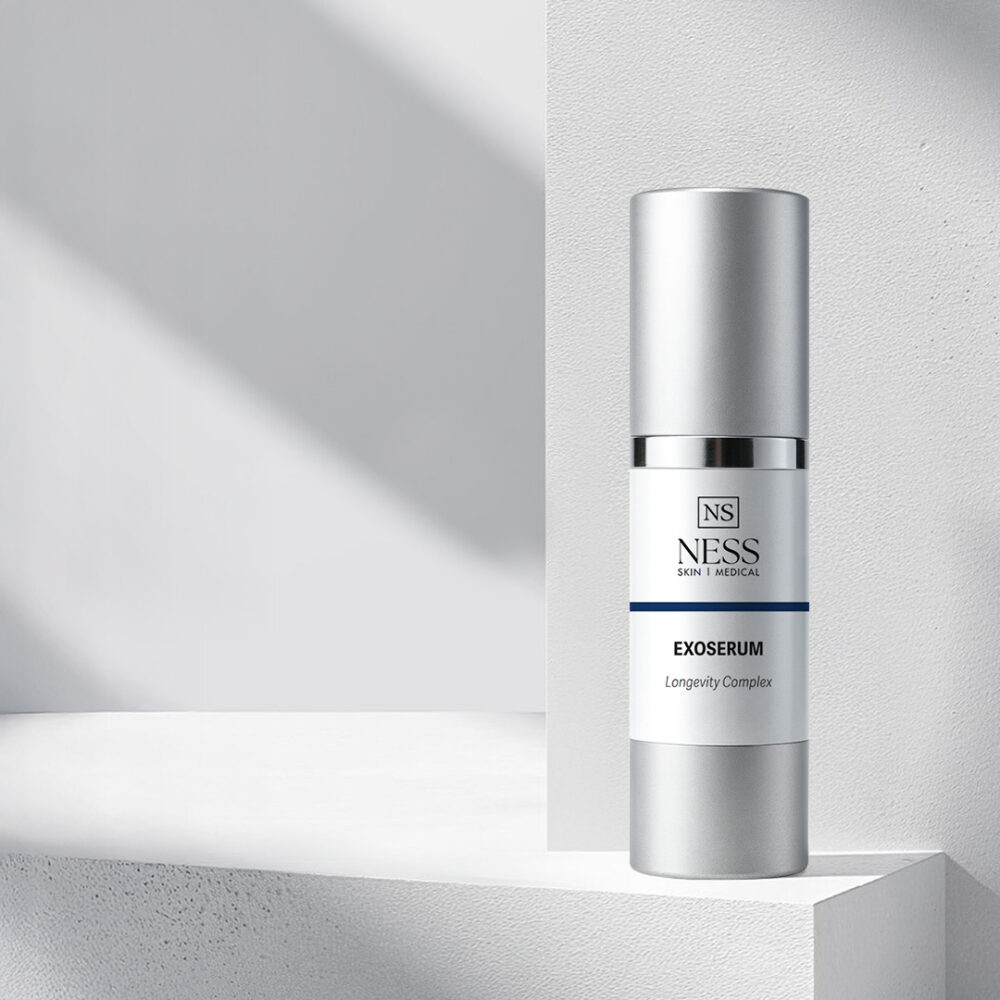
Once you have this basic routine down, you can enhance it for even greater benefits. Adding an exfoliation step one to three times a week helps remove dead skin cells, revealing brighter skin underneath and allowing your other products to penetrate more effectively. You might also introduce a serum, which is a concentrated treatment designed to target specific concerns like fine lines, dark spots, or dehydration. Apply it after cleansing but before moisturizing.
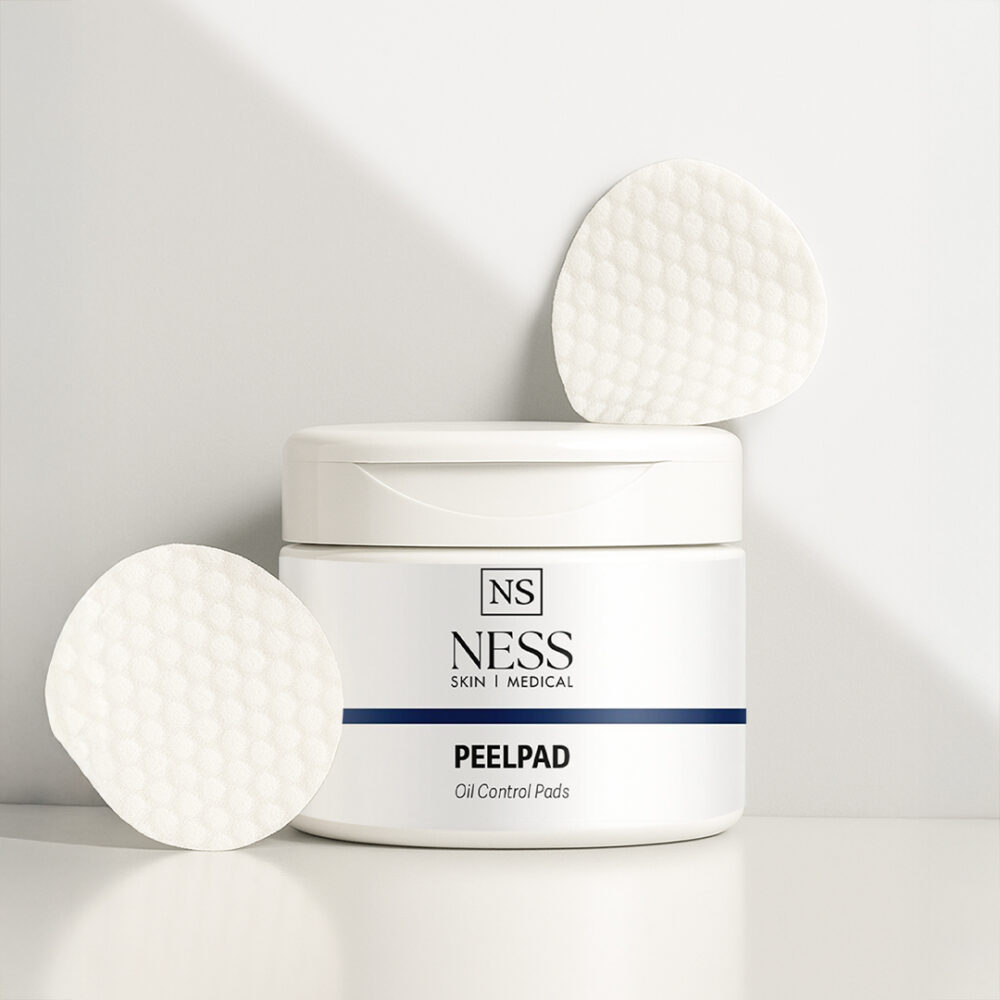
It’s also important to recognize that not all skin is the same. Tailoring your routine to your specific skin type—whether it’s oily, dry, combination, or sensitive—will yield the best results. For example, someone with oily skin might opt for a lightweight, gel-based moisturizer, while someone with dry skin would benefit from a richer cream. By understanding your skin’s unique needs and following these simple but effective steps, you are paving the way for lasting skin health.